Choose Nozaki-kun for misunderstandings, Nichijou for absurdity, or One Punch Man for superhero satire. Comedy styles differ, and funny premises do not automatically remove violence, suggestive jokes, or difficult themes.
Updated 2026-10-13 · Editorial order, not a community rating chart
How we chose these 10 anime
Comedy-tagged opening editions selected by comic mechanism and contrasting settings; sports and adventure hybrids are explicitly identified.
Try Monthly Girls’ Nozaki-kun for a confession gone comically wrong, One Punch Man for superhero satire, or Nichijou for ordinary life pushed into absurdity. The best comedy choice depends less on a genre label than on what kind of joke you enjoy. This selection contrasts romantic miscommunication, secret identities, psychic inconvenience, group incompetence, and the friction of a sports team. Some entries are primarily built for jokes; others give humor a place inside an ongoing adventure or competition. Every title has a comedy genre in the supplied catalog, but that is not a promise of gentle material. Use the skip notes to avoid styles or subjects that annoy you, then start with the exact opening edition listed.
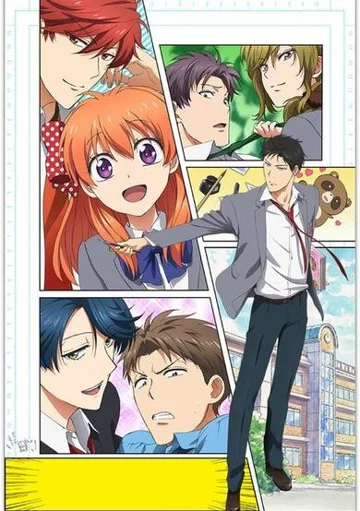
A confession being mistaken for a job application establishes the comic logic immediately. Romantic intention collides with manga making, so the attraction is not rapid relationship progress but the gap between what people mean and what others confidently assume.
Start here: Monthly Girls' Nozaki-kun — Season 1, episode 1 (animated TV series).
When to skip this pick
You want a steadily advancing couple rather than misunderstandings and manga making jokes.
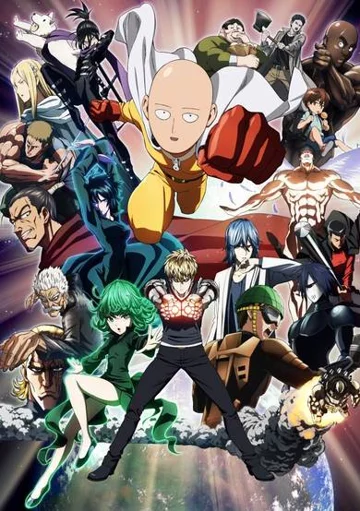
A hero so powerful that ordinary enemies cannot challenge him turns strength into a comic problem. The appeal is the mismatch between a grand superhero world and a protagonist for whom winning a fight does not automatically supply satisfaction.
Start here: One Punch Man — Season 1, episode 1 (animated TV series).
When to skip this pick
You want evenly matched fights instead of satire about an overwhelmingly strong hero.
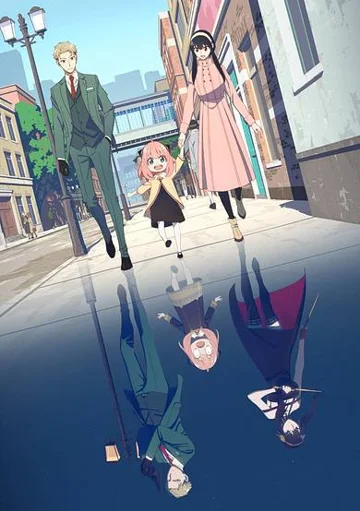
An undercover assignment produces a household whose members have reasons to keep secrets. Domestic misunderstandings are not separate from the spy premise; they are what makes it distinctive, turning professional deception into a source of awkward affection and comic complications.
Start here: SPY x FAMILY — Season 1, episode 1 (animated TV series).
When to skip this pick
Weapons and assassination themes bother you even when presented inside playful comedy.
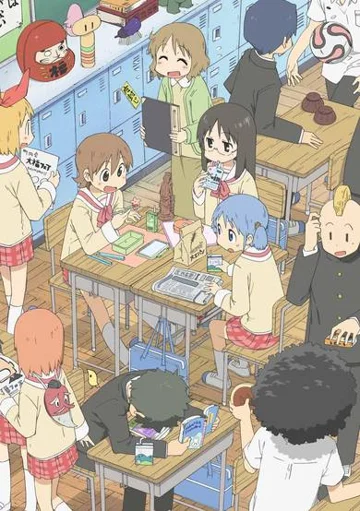
Ordinary school routines become a launching point for absurd exaggeration. Choose this when you want comedy to transform small encounters into unexpected spectacles, rather than relying primarily on a romantic payoff or a long adventure with occasional funny interruptions.
Start here: Nichijou - My Ordinary Life — Season 1, episode 1 (animated TV series).
When to skip this pick
You prefer understated jokes rather than sudden absurdity and exaggerated visual reactions.
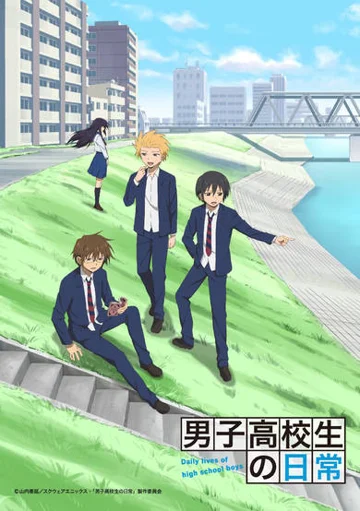
Three school friends with distinct temperaments make everyday situations a source of comic invention. Their imaginations matter as much as their actual circumstances, giving this a useful place among comedies that turn ordinary downtime into elaborate social nonsense.
Start here: Daily Lives of High School Boys — Season 1, episode 1 (animated TV series).
When to skip this pick
You want a strong ongoing plot rather than school friends and episodic jokes.
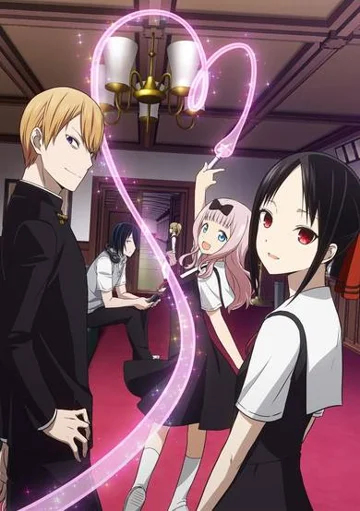
Two proud students turn their feelings into a contest over who will confess first. The romantic premise works through psychological sparring, so it suits viewers who enjoy elaborate interpretations of ordinary gestures more than direct declarations and uncomplicated dating.
Start here: Kaguya-sama: Love is War — Season 1, episode 1 (animated TV series).
When to skip this pick
You dislike competitive romantic teasing and want characters to communicate feelings directly.
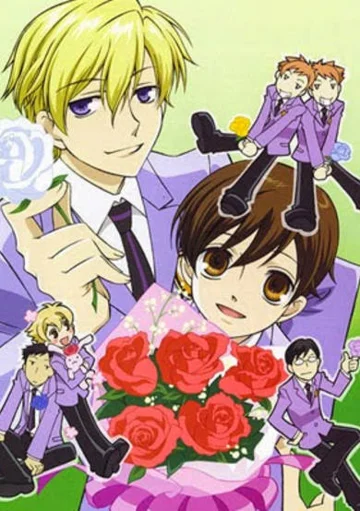
An unexpected place in a school host club turns social roles and appearances into comic material. Its appeal is a group dynamic that uses romantic conventions playfully, making it a different choice from a romance focused on one straightforward couple.
Start here: Ouran High School Host Club — Season 1, episode 1 (animated TV series).
When to skip this pick
You dislike romantic stereotypes, class based jokes, or exaggerated school club behavior.
A teenager with psychic powers wants an ordinary life instead of constant attention. That reversal supplies the comedy: extraordinary abilities become inconvenient tools for dealing with people, making the premise different from stories about mastering powers to defeat an enemy.
Start here: The Disastrous Life of Saiki K. — Season 1, episode 1 (animated TV series).
When to skip this pick
You dislike rapid comic sketches and prefer a slowly developing continuous narrative.
An adventuring party in another world becomes the basis for comedy rather than an uncomplicated heroic ideal. Pick this when you want fantasy conventions made awkward by the people expected to fulfill them, with group friction carrying much of the appeal.
Start here: KonoSuba: God's Blessing on This Wonderful World! — Season 1, episode 1 (animated TV series).
When to skip this pick
You dislike suggestive jokes or comedy built around selfish and incompetent behavior.
A school volleyball team makes comedy part of the friction of practicing and competing together. Choose it when humor works best for you inside a larger sports story, with personalities and teamwork providing reasons to care beyond an isolated punchline.
Start here: Haikyu!! — Season 1, episode 1 (animated TV series).
When to skip this pick
You want pure sketch comedy without training, competition, or sustained sports focus.
Nichijou exaggerates ordinary routines into unexpected spectacles. Daily Lives of High School Boys uses friends and their imaginations. Neither is chosen for a major ongoing adventure, so start elsewhere if plot momentum matters most.
Are the action comedies mild by default?
No. SPY x FAMILY includes weapons and assassination themes, and One Punch Man uses superhero combat. A comic tone can change the presentation without removing the underlying violence or making a title suitable for every viewer.
Genre, edition and episode metadata comes from the linked Kitsu records on each title page. The order and fit notes are original First Frame editorial choices, not AniList scores, measured US popularity or guaranteed viewing availability.