Choose Cowboy Bebop for space jobs, Steins;Gate for time travel, or Ghost in the Shell for cybernetic identity. Match the speculative question and intensity to your interests before starting tonight.
Updated 2026-10-13 · Editorial order, not a community rating chart
How we chose these 10 anime
Sci-Fi-tagged editions selected across space travel, time travel, cybernetics, social systems, reconstruction, and giant robot adventure.
Choose Cowboy Bebop for working lives in space, Steins;Gate for time travel consequences, or Ghost in the Shell for cybernetic identity in a film. Science fiction anime is not a single promise of robots and futuristic cities. This collection includes technological policing, rebuilding civilization, political rebellion, and societies transformed by unusual powers. The useful question is what the speculative idea does to people: does it change their jobs, their freedom, their bodies, or their understanding of cause and effect? All ten titles have a science fiction genre in the supplied catalog. The editorial order alternates different approaches rather than ranking technical plausibility, and the entry notes help distinguish energetic spectacle from philosophical or psychologically demanding material.
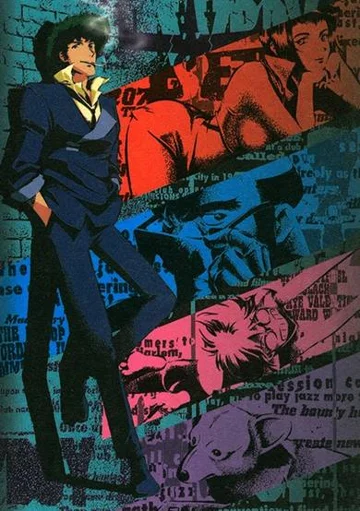
Bounty hunters moving through a worn in future bring science fiction down to the level of jobs and uneasy companionship. Jazz and dry humor offset the danger, while individual assignments offer a different rhythm from a single escalating quest.
Start here: Cowboy Bebop — Season 1, episode 1 (animated TV series). Choose the anime, not the live-action adaptation.
When to skip this pick
You want gentle material without guns, drug themes, death, or sexual references.
A small group experimenting with time travel gives scientific curiosity a dangerous direction. Choose this when the appeal is how an intriguing possibility changes personal decisions, with tension developing from consequences rather than from exploring a distant space setting.
Start here: Steins;Gate — Season 1, episode 1 (animated TV series).
When to skip this pick
You dislike a gradual setup and prefer science fiction without tangled time travel.
A society using technology to assess people makes policing a question about systems as well as individuals. This is a useful science fiction choice when you want surveillance and authority to shape the action, rather than treating the future as decorative scenery.
Start here: Psycho-Pass — Season 1, episode 1 (animated TV series).
When to skip this pick
You prefer optimistic futures without violence, surveillance, or coercive social control.
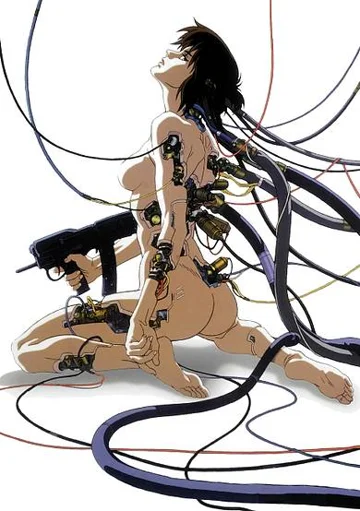
A cybernetic investigator pursuing a threat capable of infiltrating human hosts connects crime to questions about personhood. The appeal is the meeting of physical action and uncertain identity, making this film a concentrated alternative to a sprawling futuristic adventure.
Start here: Ghost in the Shell — full animated film.
When to skip this pick
You want simple adventure rather than philosophical questions, violence, and cybernetic bodies.
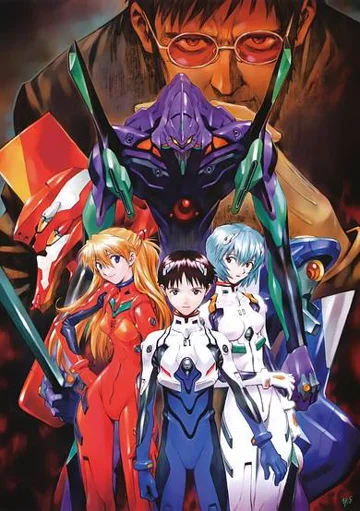
Teenagers piloting giant machines face pressures that cannot be reduced to winning battles. The science fiction premise gives psychological strain a physical stage, making this an option for viewers interested in vulnerability and institutions as much as mechanical combat.
Start here: Neon Genesis Evangelion — Season 1, episode 1 (animated TV series).
When to skip this pick
You prefer reassuring heroes and would rather avoid psychological distress or disturbing imagery.
Human civilization reduced to stone creates a rebuilding problem rather than a conventional invasion story. Scientific ingenuity becomes a source of adventure, making this useful for viewers who like practical problem solving and invention inside an exaggerated speculative premise.
Start here: Dr. STONE — Season 1, episode 1 (animated TV series).
When to skip this pick
You prefer realistic science drama without exaggerated characters and adventure driven reconstruction.
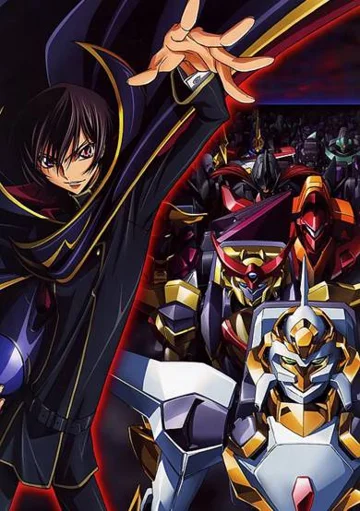
An imperial conflict and a protagonist with an unusual power make strategy central to the action. This suits viewers interested in political maneuvering and competing loyalties, with the science fiction setting supporting questions of rebellion rather than only machine battles.
Start here: Code Geass: Lelouch of the Rebellion — Season 1, episode 1 (animated TV series).
When to skip this pick
You dislike political plotting, ruthless decisions, or frequent shifts in allegiance.
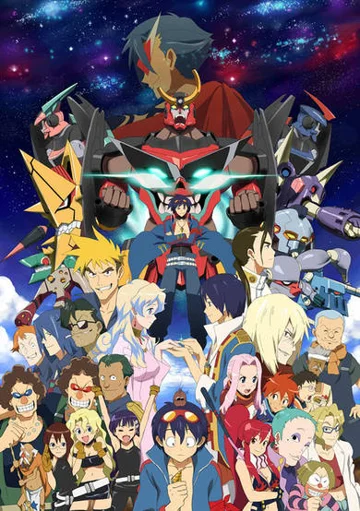
A movement from life underground toward larger conflicts gives giant robot adventure an escalating sense of possibility. Choose it for a science fiction approach built around bold ambition and group momentum rather than restraint, procedural detail, or quiet speculation.
Start here: Gurren Lagann — Season 1, episode 1 (animated TV series).
When to skip this pick
You prefer restrained science fiction rather than exaggerated robot battles and escalating spectacle.
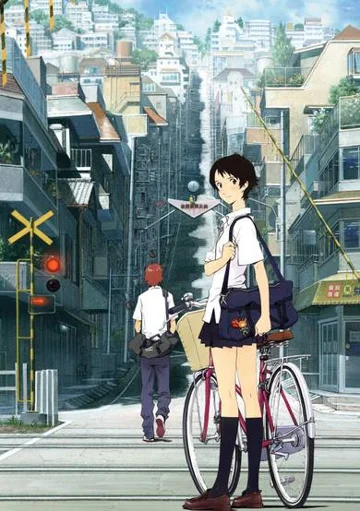
A schoolgirl able to leap through time puts a science fiction idea inside recognizable everyday decisions. The appeal comes from treating seemingly convenient second chances as choices with consequences, rather than making time travel only a technical puzzle.
Start here: The Girl Who Leapt Through Time — full animated film.
When to skip this pick
You prefer time travel without school relationships or the consequences of careless decisions.
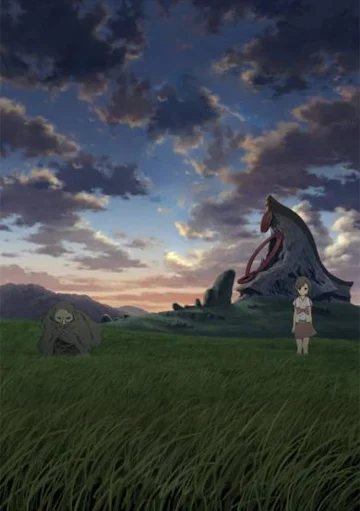
A world transformed by psychic powers makes social order itself an unsettling question. This is an option when you want speculative change to affect how people live and what they accept, with mystery and horror rather than technological optimism guiding the mood.
Start here: From the New World — Season 1, episode 1 (animated TV series).
When to skip this pick
You prefer clear answers quickly and would rather avoid disturbing social revelations.
Which science fiction pick works as a single film?
Ghost in the Shell offers a film centered on a cybernetic investigation. The Girl Who Leapt Through Time uses a school setting and second chances instead. Choose by subject, not an assumption that all science fiction feels alike.
Which choice makes technology a social question?
Psycho-Pass connects technological assessment to policing and control. Ghost in the Shell connects cybernetic bodies to identity. Both are useful alternatives to space exploration, but neither should be mistaken for light futuristic escapism.
Genre, edition and episode metadata comes from the linked Kitsu records on each title page. The order and fit notes are original First Frame editorial choices, not AniList scores, measured US popularity or guaranteed viewing availability.