Choose ERASED for personal suspense, Hyouka for quiet curiosity, or Monster for ethical crime drama. The collection contrasts mystery styles and stakes rather than promising one universally best detective story.
Updated 2026-10-13 · Editorial order, not a community rating chart
How we chose these 10 anime
Mystery-tagged opening editions compared by scale of stakes, investigative structure, setting, and degree of supernatural involvement.
Start with ERASED for a childhood linked suspense story, Hyouka for smaller school puzzles, or Monster for a crime investigation with ethical weight. Mystery anime ranges from noticing an overlooked detail to trying to survive a concealed threat, and those are very different viewing choices. These ten selections therefore include quiet curiosity, supernatural judgment, tangled ensembles, and dangerous institutions rather than ten versions of the same detective setup. Every title carries a mystery genre in the supplied catalog. The order is an editorial route through those differences, not a claim about which plot has the cleverest solution. Read the skip notes before choosing: murder, terrorism, and danger to children can be central rather than incidental to this category.
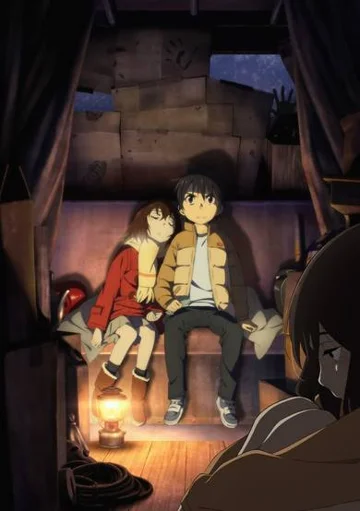
A mystery connected to childhood gives the protagonist personal reasons to investigate. Suspense comes from attention to people and past events rather than a large fictional universe, making this a focused choice for viewers interested in danger with emotional consequences.
Start here: ERASED — Season 1, episode 1 (animated TV series).
When to skip this pick
Child abuse, murder, and threats to children are outside your viewing boundaries.
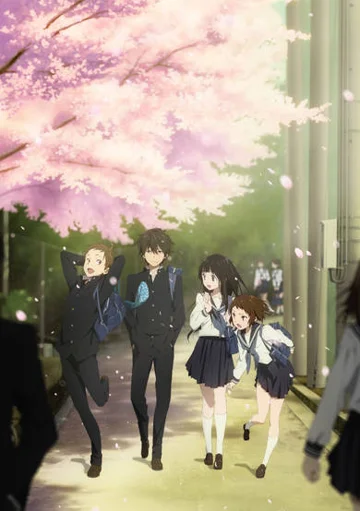
School life becomes a setting for small mysteries rather than constant danger. The appeal is looking closely at things other people might dismiss, which makes this a useful choice when curiosity and character interaction matter more than violent revelations.
Start here: Hyouka — Season 1, episode 1 (animated TV series).
When to skip this pick
You need major criminal stakes rather than low key puzzles in school life.
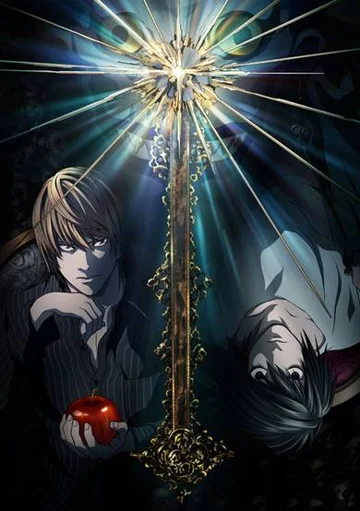
A notebook that can kill people turns a supernatural object into a problem of power and judgment. Choose it for an adversarial premise where controlling information matters, and where the central question is what a person does with lethal authority.
Start here: Death Note — Season 1, episode 1 (animated TV series).
When to skip this pick
You want sympathetic light entertainment rather than murder and escalating moral manipulation.
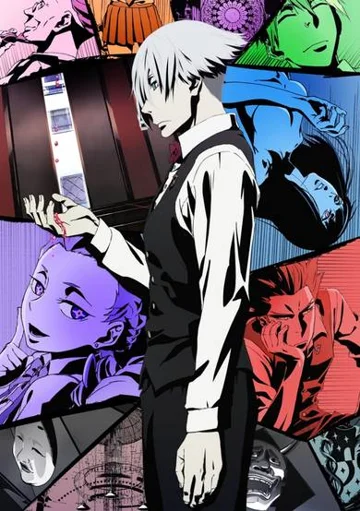
Games in an unusual bar become a framework for judgment and emotional revelation. The mystery is inseparable from the people being tested, making this an option for viewers drawn to moral uncertainty rather than a detective simply collecting physical clues.
Start here: Death Parade — Season 1, episode 1 (animated TV series).
When to skip this pick
You prefer mysteries without death, disturbing judgments, or emotionally painful revelations.
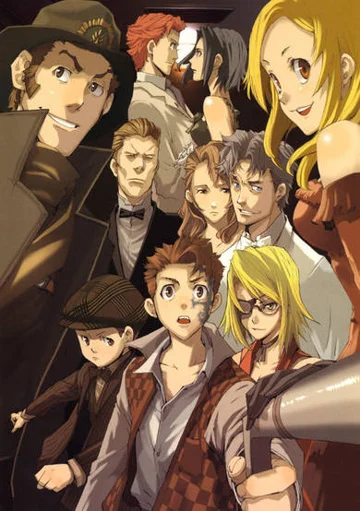
Interconnected incidents and a large cast give this crime story a deliberately tangled shape. Choose it when piecing together relationships between events sounds enjoyable, with its historical setting and supernatural ingredients offering a contrast to contemporary school mysteries.
Start here: Baccano! — Season 1, episode 1 (animated TV series).
When to skip this pick
You dislike nonlinear storytelling, many intersecting characters, or violent criminal activity.
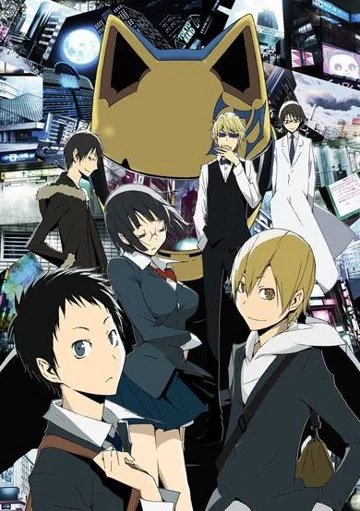
An urban setting full of strange incidents and overlapping lives makes the city itself part of the intrigue. This suits viewers interested in connections between people, rumors, and unusual events rather than a single investigator following one tidy case.
Start here: Durarara!! — Season 1, episode 1 (animated TV series).
When to skip this pick
You prefer one clear detective story rather than an ensemble and urban legends.
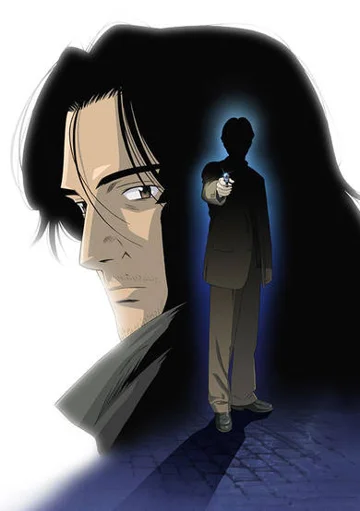
A surgeon facing the consequences of saving a life anchors a crime story in ethical responsibility. The attraction is the collision between medical duty and human danger, giving the investigation personal stakes rather than treating murder as an abstract puzzle.
Start here: Monster — Season 1, episode 1 (animated TV series).
When to skip this pick
You want a short mystery and prefer to avoid murder or sustained menace.
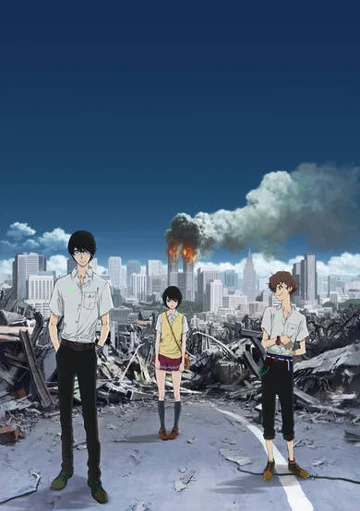
A terrorist attack leaves authorities with an unsettling clue and urgent questions. This makes suspense about public danger and interpretation rather than supernatural rules, offering a different kind of mystery for viewers drawn to institutions struggling to understand an adversary.
Start here: Terror in Resonance — Season 1, episode 1 (animated TV series).
When to skip this pick
You prefer suspense without terrorism, public danger, or an emotionally bleak atmosphere.
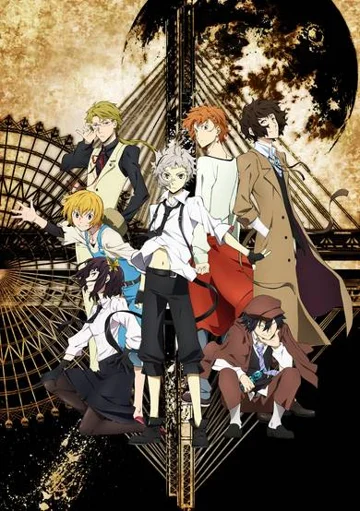
A young man expelled from his orphanage after incidents involving a mysterious tiger begins from uncertainty and desperation. The mix of action, comedy, and mystery offers an entry for viewers who want strange events with a more energetic group dynamic.
Start here: Bungo Stray Dogs — Season 1, episode 1 (animated TV series).
When to skip this pick
You prefer realistic investigation without supernatural abilities or shifts into broad comedy.
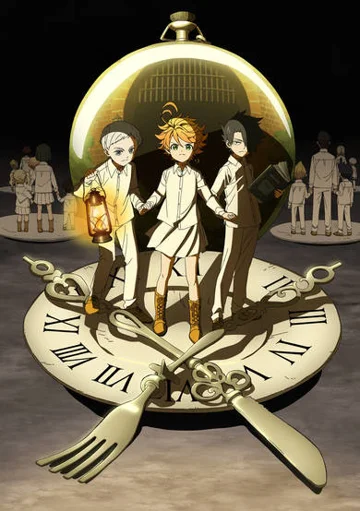
Children in an apparently welcoming orphanage discover reasons to question their situation. The horror works through trust, confinement, and the need to think ahead, making this a choice for suspense about vulnerable people rather than a succession of monster fights.
Start here: The Promised Neverland — Season 1, episode 1 (animated TV series).
When to skip this pick
You would rather avoid threats to children, confinement, or dread beneath domestic warmth.
Is there a mystery without constant violent danger?
Hyouka is the clearest choice here for low key school puzzles rather than a murder driven thriller. Its appeal depends on curiosity and character interactions, so choose differently if you need urgent physical stakes.
Should I look up the plot before starting?
Use the premise and caution notes rather than a full plot summary. ERASED and The Promised Neverland particularly benefit from leaving later discoveries unexplained; knowing relevant content boundaries does not require reading the solution.
Genre, edition and episode metadata comes from the linked Kitsu records on each title page. The order and fit notes are original First Frame editorial choices, not AniList scores, measured US popularity or guaranteed viewing availability.