Choose Kimi ni Todoke for shy connection, Kaguya-sama for romantic rivalry, or Your Name for supernatural attraction. Read individual notes before expecting light comedy, quick confession, or a happy ending.
Updated 2026-10-13 · Editorial order, not a community rating chart
How we chose these 10 anime
Romance-tagged editions selected for emotional and setting diversity, not relationship outcomes, numeric scores, or a popularity ranking.
Choose Kimi ni Todoke for shy connection, Toradora! for a complicated school arrangement, or Kaguya-sama for romance conducted like a contest. If you want a film instead, Your Name combines attraction with supernatural uncertainty. This list separates different romantic pleasures: being understood, arguing around feelings, laughing at missed signals, and confronting a relationship shaped by unusual circumstances. A romance label alone does not tell you whether a story is reassuring or painful, so the individual notes make that distinction explicit. The selection also includes music, college life, and fantasy to avoid treating school courtship as the entire genre. Start with the mood you want tonight, rather than assuming every recommendation promises a resolved couple or a happy ending.
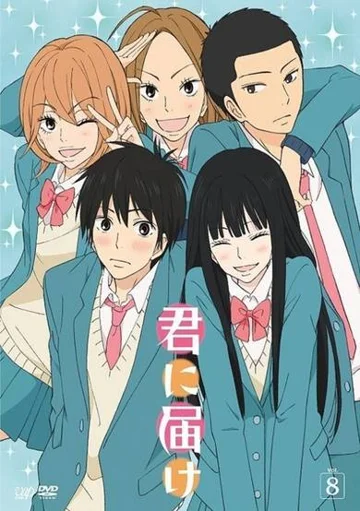
A timid girl mistaken for someone frightening has to overcome a reputation that does not reflect her personality. This is a strong option when the romantic appeal lies in being understood, with social connection carrying as much weight as attraction.
Start here: Kimi ni Todoke: From Me to You — Season 1, episode 1 (animated TV series).
When to skip this pick
You want immediate romantic progress rather than shy communication and social misunderstandings.
Two students helping each other with their romantic interests create a premise built on cooperation and misreading. The appeal is how an arrangement that sounds practical complicates everyday relationships, making comedy and vulnerability more important than a spectacular setting.
Start here: Toradora! — Season 1, episode 1 (animated TV series).
When to skip this pick
You dislike school romance with sharp arguments and slow changes in feelings.
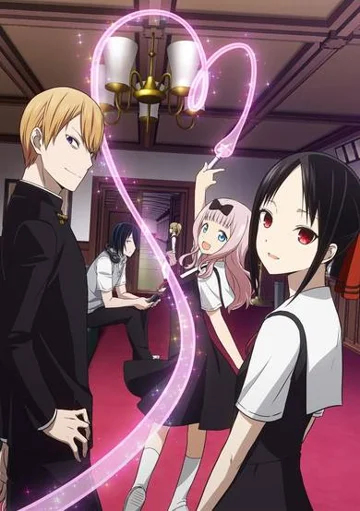
Two proud students turn their feelings into a contest over who will confess first. The romantic premise works through psychological sparring, so it suits viewers who enjoy elaborate interpretations of ordinary gestures more than direct declarations and uncomplicated dating.
Start here: Kaguya-sama: Love is War — Season 1, episode 1 (animated TV series).
When to skip this pick
You dislike competitive romantic teasing and want characters to communicate feelings directly.
A mysterious connection between two teenagers turns romance into a puzzle about lives that initially seem far apart. Choose it for the way emotional attachment and supernatural uncertainty share the same premise, rather than for an ordinary school dating story.
Start here: Your Name, animated film.
When to skip this pick
You would rather avoid disaster themes, grief, and body related comic moments.
Music and romance share the frame in a story centered on a young pianist and a violinist. Choose it when performance and emotional vulnerability sound more appealing than a string of dating mishaps, and when dramatic stakes are welcome.
Start here: Your Lie in April — Season 1, episode 1 (animated TV series).
When to skip this pick
You want a light romantic comedy without grief or emotionally heavy material.
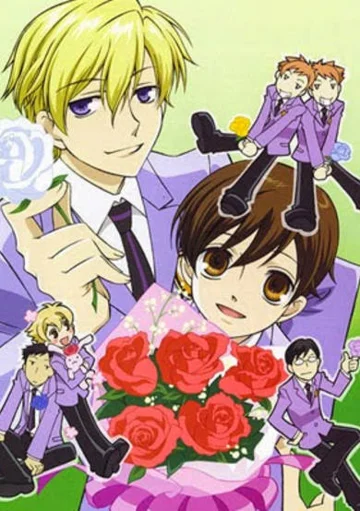
An unexpected place in a school host club turns social roles and appearances into comic material. Its appeal is a group dynamic that uses romantic conventions playfully, making it a different choice from a romance focused on one straightforward couple.
Start here: Ouran High School Host Club — Season 1, episode 1 (animated TV series).
When to skip this pick
You dislike romantic stereotypes, class based jokes, or exaggerated school club behavior.
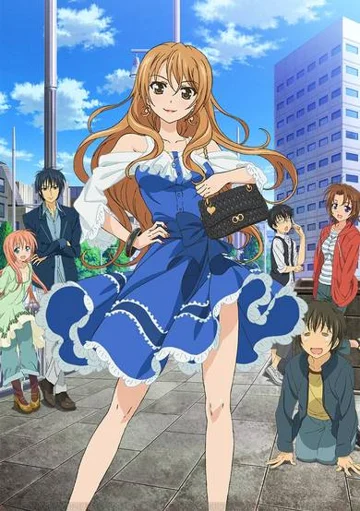
A student starting law school after memory loss gives college romance a question beyond who likes whom. The new beginning is complicated by a missing past, making this useful for viewers interested in identity alongside relationships and ordinary social adjustment.
Start here: Golden Time — Season 1, episode 1 (animated TV series).
When to skip this pick
You prefer straightforward romance without amnesia or emotionally complicated questions of identity.
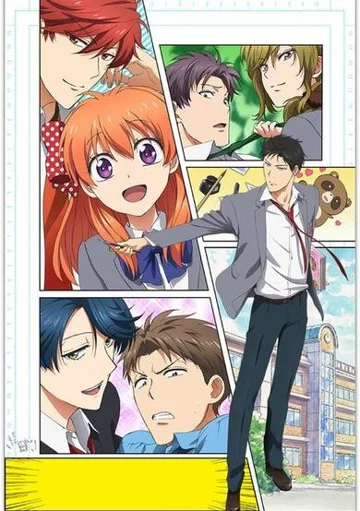
A confession being mistaken for a job application establishes the comic logic immediately. Romantic intention collides with manga making, so the attraction is not rapid relationship progress but the gap between what people mean and what others confidently assume.
Start here: Monthly Girls' Nozaki-kun — Season 1, episode 1 (animated TV series).
When to skip this pick
You want a steadily advancing couple rather than misunderstandings and manga making jokes.
A wolf deity whose place in village life has diminished brings fantasy into contact with changing human customs. The appeal is a supernatural character with social and practical concerns, offering a different focus from heroic campaigns or school based magic.
Start here: Spice and Wolf — Season 1, episode 1 (animated TV series).
When to skip this pick
You prefer frequent combat to conversation, commerce, and a gradually developing relationship.
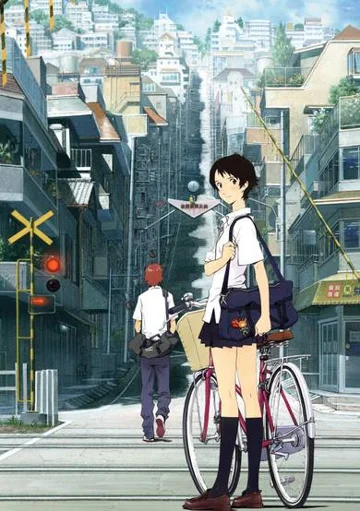
A schoolgirl able to leap through time puts a science fiction idea inside recognizable everyday decisions. The appeal comes from treating seemingly convenient second chances as choices with consequences, rather than making time travel only a technical puzzle.
Start here: The Girl Who Leapt Through Time — full animated film.
When to skip this pick
You prefer time travel without school relationships or the consequences of careless decisions.
Kaguya-sama turns confession into competition, while Monthly Girls’ Nozaki-kun turns a confession into a misunderstanding about manga work. Choose either for comic situations, not a guarantee of quick romantic resolution.
Which option avoids a school setting?
Golden Time begins with college life, and Spice and Wolf places a developing relationship inside travel and commerce. Neither change of setting guarantees a lighter story; their individual notes explain the relevant complications.
Genre, edition and episode metadata comes from the linked Kitsu records on each title page. The order and fit notes are original First Frame editorial choices, not AniList scores, measured US popularity or guaranteed viewing availability.